








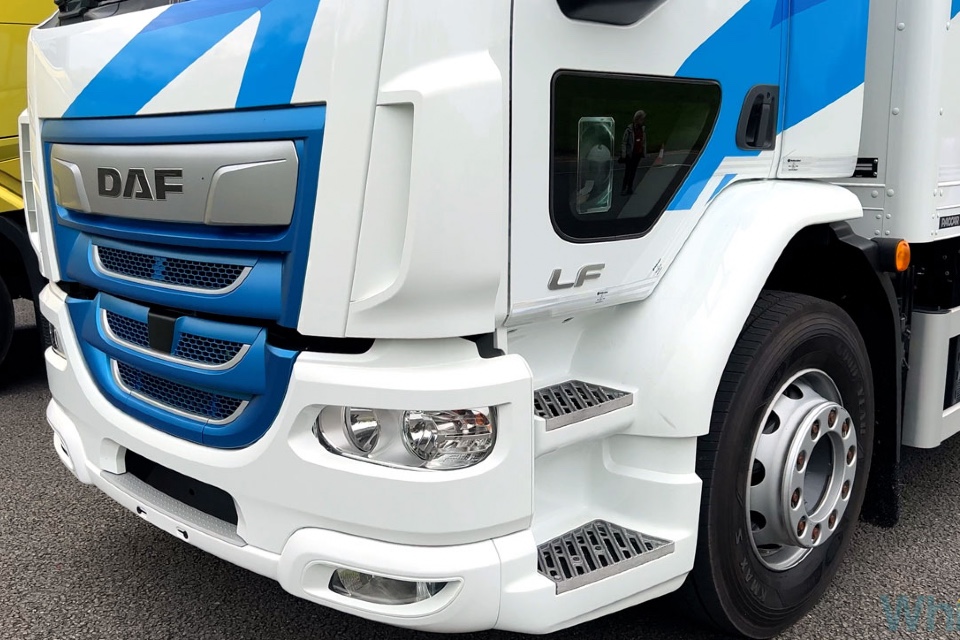
Choosing the best electric trucks for fleet operations involves much more than comparing vehicle specifications. Fleet managers need to consider how each model fits their routes, payload requirements, charging strategy and long-term operating costs before making an investment. As electric heavy goods vehicles become more widely available, understanding these practical considerations helps organisations select vehicles that support both operational performance and future fleet growth.
What to Compare When Choosing the Best Electric Trucks for Fleet Use
There is no single electric truck that suits every fleet. The right choice depends on how vehicles are used, where they operate and the infrastructure available to support them. Comparing vehicles against day-to-day operational requirements provides a far clearer picture than focusing on headline range or purchase price alone.
1. Match the Vehicle to Your Routes
Route analysis should be one of the first steps when evaluating electric trucks. Consider factors such as:
- Daily mileage
- Average journey length
- Urban, regional or motorway operation
- Stop-start driving
- Vehicle dwell time
- Scope for opportunity charging
Understanding real operating patterns helps determine whether an electric truck can complete its duties efficiently without affecting your organisation’s productivity.
2. Consider Charging Requirements
Charging infrastructure is as important as the vehicle itself. Fleet managers should assess:
- Depot charging availability
- Public charging access along routes
- Charging times
- Electrical capacity at operating sites
- Future infrastructure expansion
Aligning the vehicles you choose with an appropriate charging strategy helps minimise downtime and maximise availability, so there’s no concern about whether you’ll have appropriate transport when you need it most.
3. Evaluate Payload and Operational Capability
Battery technology can affect vehicle weight and operating characteristics, making payload an important consideration. When comparing electric trucks, assess:
- Maximum payload
- Gross vehicle weight
- Load volume
- Towing capability where required
- Performance on demanding routes or gradients
Matching vehicle capability to operational demands helps maintain efficiency while avoiding unnecessary compromises.
4. Focus on Uptime and Service Support
Reliable vehicle availability remains essential for commercial fleet operations. Before purchasing, make sure you review:
- Manufacturer servicing networks
- Maintenance schedules
- Parts availability
- Vehicle warranties
- Roadside assistance
- Diagnostic and remote monitoring capabilities
Strong after-sales support can reduce downtime and improve long-term fleet reliability. It also gives you peace of mind that you won’t be solely liable should something go wrong.
5. Compare the Total Cost of Ownership
It can be beneficial to consider purchase price alongside the wider costs of operating the vehicle throughout its service life. A total cost of ownership assessment should include:
- Vehicle acquisition costs
- Electricity and energy costs
- Maintenance requirements
- Charging infrastructure investment
- Vehicle downtime
- Residual value
- Available grants or incentives
Looking at whole-life costs provides a more balanced comparison between electric trucks and conventional diesel alternatives, helping you get the most out of your investment.
Making the Right Fleet Decision
Selecting the best electric trucks for fleet use requires balancing operational performance with long-term financial considerations. By comparing route suitability, charging infrastructure, payload capability, vehicle uptime and total cost of ownership, fleet managers can identify the vehicles that best support their business today while preparing for the continued transition to lower-emission commercial transport.
Are you searching for EV & hybrid vehicle solutions for your organisation? The Fleet Summit can help!