








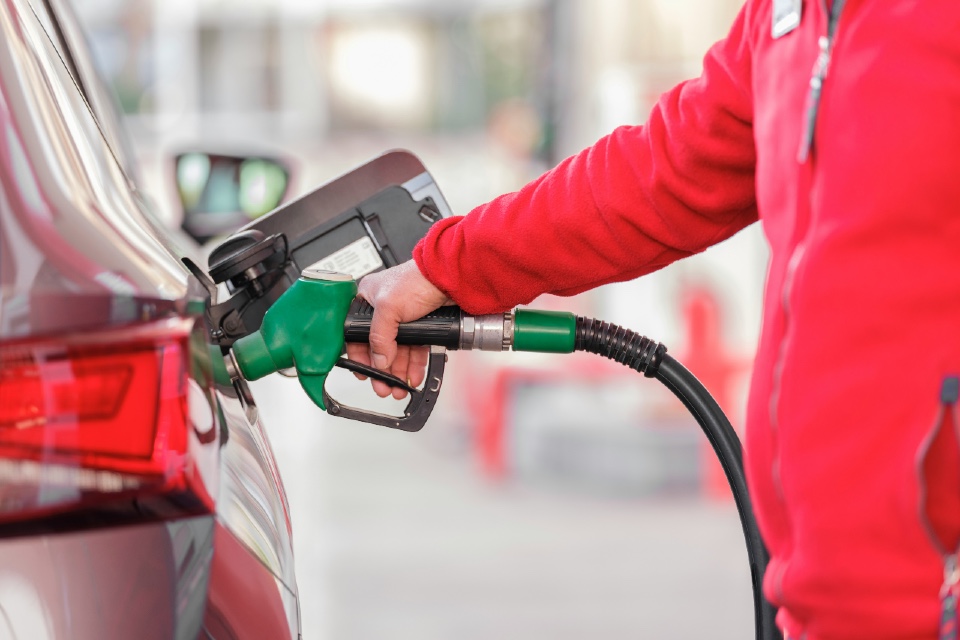
Fuel remains one of the largest operating costs for most commercial fleets. Whether managing company cars, vans, HGVs or mixed vehicle fleets, even small improvements in fuel efficiency can deliver significant savings across an organisation.
Fleet fuel management systems do far more than record fuel purchases. By combining fuel cards, telematics, vehicle diagnostics and reporting software, fleet managers can gain a detailed understanding of fuel consumption, driver behaviour and operating costs across the entire fleet.
The challenge is not necessarily collecting data: it’s turning that data into practical actions that reduce fuel costs, improve efficiency and support sustainability targets without affecting operational performance.
This guide explains how fleet fuel management systems work, the technologies available and the questions buyers should ask before selecting a supplier.
At a Glance: Fleet Fuel Management Systems
| Capability | What Fleet Managers Should Compare |
|---|---|
| Fuel cards | Network coverage, controls and reporting |
| Telematics | Vehicle tracking, driver behaviour and fuel analytics |
| Fuel monitoring | Consumption trends and exception reporting |
| Emissions reporting | Carbon data and sustainability dashboards |
| Fraud prevention | Transaction monitoring and driver controls |
| Integrations | Fleet management, maintenance and finance systems |
| Driver engagement | Coaching, scorecards and mobile apps |
| Reporting | Fleet-wide analytics and benchmarking |
What Is Fleet Fuel Management?
Fleet fuel management is the process of monitoring, controlling and optimising fuel usage across a vehicle fleet.
Modern systems combine several sources of information, including:
- Fuel card transactions
- Vehicle telematics
- GPS location
- Engine diagnostics
- Mileage records
- Driver behaviour
- Route information
- Carbon emissions data
Together, these provide fleet managers with a clearer picture of where fuel is being used efficiently, and where unnecessary costs may be occurring.
Rather than relying solely on fuel receipts or manual mileage claims, organisations can make operational decisions based on real-world performance data.
Why Fuel Management Matters
Fuel prices remain volatile, while organisations face increasing pressure to improve operational efficiency and reduce carbon emissions.
Poor fuel management may result in:
- Higher operating costs
- Excessive idling
- Inefficient routes
- Fuel theft
- Fraudulent transactions
- Increased maintenance costs
- Higher emissions
- Reduced vehicle productivity
Conversely, well-managed fleets often benefit from improved cost control, more accurate reporting and better decision-making.
The Energy Saving Trust highlights that fuel-efficient driving and improved fleet management practices can significantly reduce operating costs and emissions.¹
Fuel Management Systems for Fleet Operations
A modern fuel management system for fleet operations combines software, hardware and data analytics to provide continuous visibility over fuel usage.
Typical capabilities include:
- Fuel purchase tracking
- Vehicle-level consumption
- Driver identification
- Exception reporting
- Fuel efficiency analysis
- Carbon reporting
- Route optimisation
- Real-time dashboards
Many platforms also integrate directly with fleet management systems, reducing manual administration and improving data accuracy.
Fleet Insight
Fuel data is most valuable when combined with operational information such as mileage, vehicle utilisation and maintenance records. This allows fleet managers to identify the underlying causes of high fuel consumption rather than simply measuring it.
Fuel Cards and Transaction Management
Fuel cards remain one of the foundations of effective fleet fuel management.
Modern fuel card platforms offer significantly more functionality than simply replacing cash payments.
Features may include:
- Driver identification
- PIN security
- Purchase restrictions
- Fuel type controls
- Transaction alerts
- VAT reporting
- Online account management
- Spending analysis
These controls can reduce administrative effort while improving visibility over fuel expenditure.
When comparing providers, buyers should also consider:
- Fuel station network coverage
- Pricing models
- International availability
- EV charging compatibility for mixed fleets
- Integration with finance systems
Fleet Fuel Monitoring Systems
A fleet fuel monitoring system combines vehicle telematics with fuel transaction data to provide ongoing insight into consumption.
Rather than viewing individual fuel purchases in isolation, monitoring systems help identify trends over time.
Useful metrics include:
- MPG or litres per 100km
- Fuel consumed per journey
- Fuel consumed by driver
- Vehicle comparisons
- Idle time
- Engine hours
- Fuel purchase frequency
- Consumption anomalies
These insights allow fleet managers to investigate unusual activity before costs escalate.
How to Monitor Fleet Fuel Consumption
Accurate fuel monitoring depends on collecting consistent information from multiple sources.
Best practice usually combines:
- Fuel card transactions
- Odometer readings
- Telematics
- Engine diagnostics
- Route information
- Vehicle utilisation data
Automated reporting reduces reliance on manual spreadsheets while helping identify trends more quickly.
Regular reviews should focus not only on overall fuel spend but also on the operational factors influencing consumption.
Benchmark Performance
Comparing vehicles performing similar roles can reveal opportunities to improve efficiency through driver coaching, maintenance or route optimisation.
Benchmarking should account for vehicle type, payload and operating conditions rather than comparing all vehicles directly.
Reducing Fleet Fuel Costs
The objective of fuel management is not simply to purchase fuel at lower prices but to reduce unnecessary consumption.
Strategies may include:
- Driver behaviour coaching
- Reduced idling
- Route optimisation
- Improved maintenance
- Tyre pressure monitoring
- Vehicle right-sizing
- Load optimisation
- Journey planning
Telematics plays an important role by identifying behaviours that contribute to excessive fuel usage.
Brake harshness, rapid acceleration and prolonged idling can all be monitored and addressed through targeted driver feedback.
The Department for Transport’s guidance on efficient driving highlights the importance of smooth acceleration, appropriate speeds and vehicle maintenance in reducing fuel consumption.²
Reducing Fleet Emissions
Fuel efficiency and carbon reduction are closely linked.
Lower fuel consumption generally results in lower greenhouse gas emissions, making fuel management an important part of wider sustainability strategies.
Reporting platforms increasingly provide:
- CO₂ emissions estimates
- Fleet carbon dashboards
- Vehicle comparisons
- Emissions trends
- Alternative fuel analysis
- EV transition reporting
For organisations managing mixed fleets, fuel reporting can also support decisions about future vehicle replacement and alternative fuel adoption.
Sustainability Insight
Reducing emissions isn’t solely about replacing vehicles. Better route planning, improved driver behaviour and reduced unnecessary mileage can often deliver measurable carbon savings immediately.
Fraud Prevention and Fuel Security
Fuel fraud continues to present a challenge for many fleet operators.
Risks may include:
- Card misuse
- Fuel theft
- Duplicate transactions
- Incorrect mileage submissions
- Unauthorised purchases
Modern systems reduce these risks through:
- Driver PINs
- Vehicle registration matching
- Transaction alerts
- Spend limits
- Fuel type restrictions
- Location verification
- Exception reporting
The ability to identify unusual purchasing patterns quickly can reduce financial losses while improving operational governance.
Reporting and Fleet Analytics
Good reporting transforms fuel data into actionable management information.
Useful dashboards may include:
- Total fuel spend
- Average fuel economy
- Driver rankings
- Vehicle comparisons
- Carbon emissions
- Fuel card usage
- Cost per mile
- Route efficiency
- Idling trends
- Maintenance correlations
Reporting should support both operational management and executive decision-making.
Many organisations also use fuel analytics to inform procurement, vehicle replacement and sustainability planning.
What Should Buyers Compare?
When evaluating fleet fuel management solutions, fleet managers should consider:
Data quality
How accurate and timely is the information provided?
Fuel card functionality
Which purchasing controls and reporting capabilities are available?
Telematics
How comprehensive are the driving behaviour and vehicle analytics?
Reporting
Can dashboards be customised for operational and executive reporting?
Integrations
Does the system integrate with fleet, finance and maintenance software?
Driver engagement
Are coaching tools and scorecards included?
Sustainability
Does the platform support emissions reporting and ESG requirements?
Scalability
Can the system grow alongside the organisation’s fleet?
Questions to Ask Potential Suppliers
- Which fuel card networks do you support?
- How does your telematics platform measure fuel consumption?
- Can the system identify fuel fraud or unusual transactions?
- What emissions reporting is included?
- How are driver performance reports generated?
- Can the platform integrate with our existing fleet management software?
- How frequently is data updated?
- What benchmarking tools are available?
- How do you support mixed ICE, hybrid and electric fleets?
- What implementation support is included?
- Can reporting be customised?
- What ongoing account management and training do you provide?
Future Trends
Fleet fuel management continues to evolve alongside connected vehicle technology and the transition to lower-emission transport.
Emerging developments include:
- AI-driven fuel optimisation
- Predictive fuel analytics
- Connected vehicle diagnostics
- Integrated EV and fuel reporting
- Carbon forecasting
- Automated route optimisation
- Driver coaching powered by machine learning
- Unified fleet sustainability dashboards
As fleets become increasingly connected, fuel management platforms are expected to provide broader operational insight rather than functioning solely as expense-management tools.
Frequently Asked Questions
What is fleet fuel management?
Fleet fuel management involves monitoring, controlling and optimising fuel usage across commercial vehicles using technologies such as fuel cards, telematics and reporting software.
How do fuel cards help reduce costs?
Fuel cards simplify administration, improve visibility over spending and provide controls that help reduce misuse and improve reporting accuracy.
How can organisations reduce fleet fuel costs?
Measures include driver training, telematics, route optimisation, preventative maintenance, fuel monitoring and efficient vehicle utilisation.
What is a fleet fuel monitoring system?
It combines telematics, fuel transaction data and reporting tools to monitor fuel consumption, identify trends and improve operational efficiency.
Can fuel management systems help reduce emissions?
Yes. By reducing unnecessary fuel consumption and improving operational efficiency, they can support wider carbon reduction and sustainability objectives.
Related Reading
Continue exploring fleet efficiency and sustainable transport with these related articles from Fleet Management Briefing:
- How to Transition to Electric Fleet Vehicles Using Fleet Management Software
- Why Telematics Is a Strategic Fleet Investment — And How to Get It Right
- Managing a Mixed Fuel Fleet with the BP Fuel Charge Card
Product Guide
Senior fleet professionals attending the Fleet Summit can meet providers offering fleet management, fuel, funding and technology solutions that support mixed-fuel and alternative-fuel strategies.
Featured Suppliers
bp Fleet Solutions
Fleet fuel and mobility provider offering fuel-card and fleet-management services across traditional and alternative fuels, with online tools designed to help organisations monitor vehicle and fuel expenditure.
Website: www.bp.com
FleetCheck
UK fleet management software provider helping organisations centralise vehicle, driver, compliance, fuel and maintenance data. Its platform can integrate fuel-card and telematics information to support MPG, cost and fleet-performance analysis.
Website: https://www.fleetcheck.co.uk/
ORBCOM
Technology provider whose JAT Fleet platform supports fleet management, bringing together operational data, cost control, workflows and reporting to improve visibility over vehicle operations.
Website: www.orbcom.pt
VWFS | Fleet
Fleet funding and management provider offering business contract hire and wider fleet services across cars and commercial vehicles, supporting organisations reviewing vehicle funding and replacement strategies.
Website: https://www.vwfsfleet.co.uk/
Explore Fleet Fuel Management Solutions
Effective fuel management is about much more than controlling fuel spend. By combining telematics, fuel cards and intelligent reporting, organisations can improve operational efficiency, reduce emissions and make better-informed fleet decisions.
The Fleet Summit connects senior fleet professionals with carefully selected providers of fleet technology, telematics and fuel management solutions through a programme of pre-arranged one-to-one meetings.
Explore fleet fuel management solutions, compare suppliers and discover technologies that can help reduce costs, minimise waste and support a more sustainable fleet.
Sources
- Energy Saving Trust – Business Fleet and Eco-Driving Guidance: https://energysavingtrust.org.uk/
- Department for Transport – Fuel-Efficient Driving Advice: https://www.gov.uk/government/organisations/department-for-transport
- Transport for London – Fleet Operator Recognition Scheme (FORS): Fuel Management and Efficiency Guidance: https://www.fors-online.org.uk/
Image credit: https://unsplash.com/photos/a-person-filling-a-car-with-gas-at-a-gas-station-4dOr247sHaI