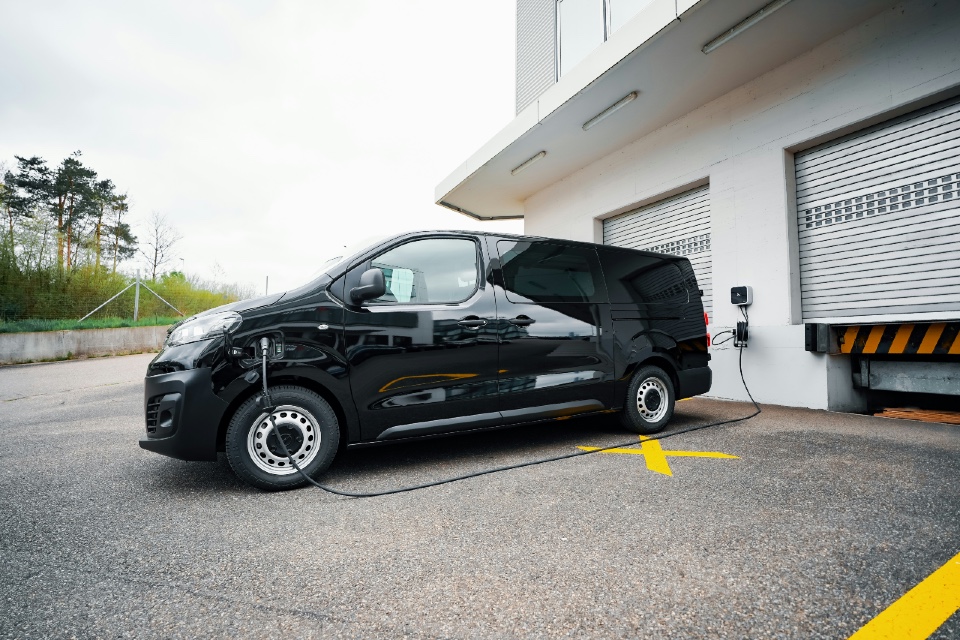









As commercial fleets continue to adopt electric and hybrid vehicles, fleet vehicle procurement has become a critical part of a successful transition strategy. Procurement decisions now extend far beyond selecting vehicle models, influencing total cost of ownership, performance, supplier relationships and the pace of EV and hybrid adoption. Choosing the right procurement approach helps organisations scale fleet electrification while balancing cost, operational requirements and long-term flexibility.
How Fleet Vehicle Procurement Shapes EV and Hybrid Rollout
Successful fleet electrification depends on making procurement decisions that reflect how vehicles are actually used. Rather than applying a single approach across an entire fleet, organisations are increasingly matching vehicle types, contract structures and supplier partnerships to different operational requirements.
A well-planned procurement strategy supports gradual fleet transition while reducing financial risk and maintaining organisational resilience.
Moving Beyond ‘One-Size-Fits-All’ Procurement
Early electrification programmes often centred on a limited selection of available electric vehicles. Today, procurement decisions are increasingly informed by operational data, ensuring that the right vehicle is selected for each application.
Factors commonly considered include:
- Daily duty cycles
- Route length
- Payload requirements
- Vehicle utilisation
- Driver patterns
- Vehicle dwell time
- Access to charging infrastructure
Many organisations now adopt a mixed fleet approach, combining electric and hybrid vehicles where each technology delivers the greatest benefit. This allows fleets to reduce emissions while maintaining flexibility for routes that may not yet be suitable for full electrification.
Focusing on Total Cost of Ownership
Vehicle purchase price is only one part of the procurement decision.
A comprehensive total cost of ownership (TCO) assessment should evaluate:
- Energy or fuel costs
- Maintenance requirements
- Servicing intervals
- Residual values
- Vehicle downtime
- Charging infrastructure costs
- Whole-life operating costs
Taking a broader financial view enables procurement teams to compare electric, hybrid and conventional vehicles more accurately over their expected service life.
Building Flexibility into Fleet Contracts
Fleet technology continues to evolve, making procurement flexibility increasingly valuable.
Many organisations now seek contracts that provide:
- Shorter agreement periods where appropriate
- Flexible vehicle replacement options
- Break clauses
- Scalable leasing arrangements
- Framework agreements that accommodate changing fleet requirements
Flexible procurement reduces the risk of committing to vehicles or technologies that may no longer meet businesses’ needs as fleets expand or charging infrastructure develops.
Choosing Suppliers as Long-Term Partners
Fleet procurement is no longer based solely on vehicle availability. Organisations increasingly evaluate suppliers on the wider support they provide throughout the vehicle lifecycle.
Key considerations include:
- Vehicle availability and lead times
- After-sales support
- Maintenance networks
- Driver training
- Charging infrastructure expertise
- Data integration capabilities
- Technical support and fleet management services
Developing long-term supplier partnerships helps organisations manage fleet transition more effectively while improving continuity.
Supporting Phased Fleet Rollout
Many fleets are reducing transition risk by introducing electric and hybrid vehicles in planned phases rather than replacing every vehicle simultaneously.
A phased rollout allows organisations to:
- Align vehicle replacement with natural renewal cycles
- Expand charging infrastructure gradually
- Assess performance before wider deployment
- Retain hybrid vehicles where charging availability remains limited
- Adjust procurement plans as technology and business requirements evolve
This measured approach helps avoid unnecessary expenditure while maintaining service continuity.
Strengthening Procurement Governance
Consistent procurement policies help ensure fleet expansion remains efficient and aligned with wider organisational objectives.
Standard vehicle specifications, approved supplier frameworks and clearly defined evaluation criteria improve purchasing consistency while supporting sustainability goals and performance.
Conclusion
By combining total cost of ownership analysis, flexible contracts, strong supplier relationships and phased implementation, organisations can build a fleet vehicle procurement strategy that supports successful EV and hybrid adoption while remaining adaptable to future operational and technological change.
Are you searching for EV & hybrid vehicle solutions for your organisation? The Fleet Summit can help!
Photo by Vitaly Gariev on Unsplash