








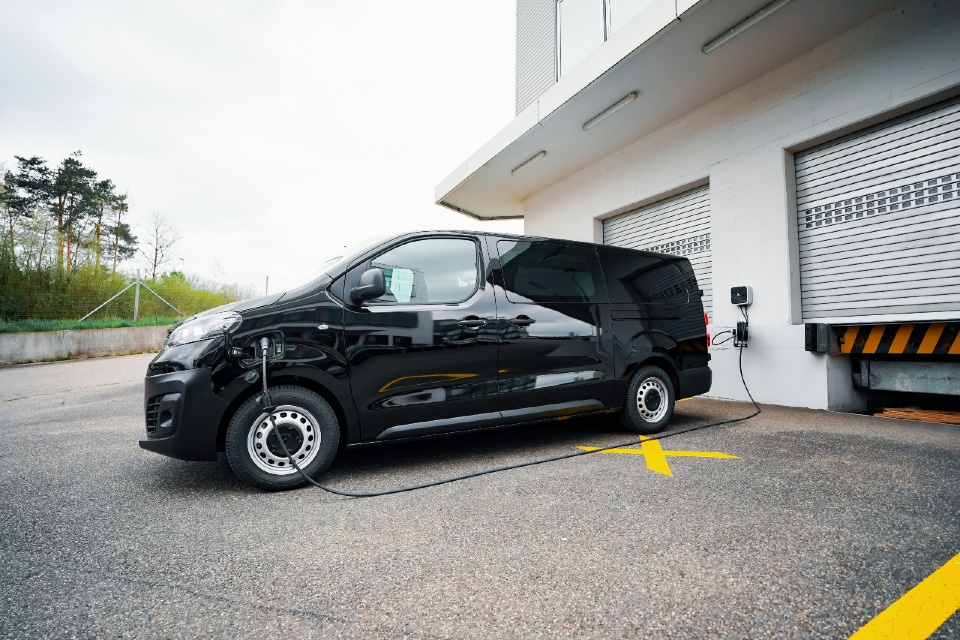
Managing an electric fleet presents a different set of operational challenges to those associated with traditional petrol and diesel vehicles. Fleet managers must now use telematics to monitor battery performance, charging schedules, vehicle range, energy consumption and charging infrastructure alongside more familiar metrics such as utilisation, maintenance and driver behaviour…
Telematics is increasingly becoming the platform that brings these data sources together, providing the visibility needed to optimise electric fleet performance while supporting informed operational decisions.
Managing Range with Confidence
Range anxiety remains one of the biggest concerns for organisations adopting EVs. While modern electric vehicles offer significantly improved driving ranges, poor planning can still lead to unnecessary downtime, missed appointments or inefficient vehicle deployment. Modern EV telematics platforms provide insight into:
- real-time battery charge levels;
- predicted remaining range;
- energy consumption;
- route efficiency; and
- environmental factors affecting performance.
By combining vehicle data with route planning and traffic information, fleet managers can allocate vehicles more effectively and reduce the likelihood of charging-related disruptions.
Optimising Charging Infrastructure
Charging infrastructure represents a significant investment for many organisations. Without accurate data, businesses may struggle to determine:
- where chargers are required;
- how frequently they are used;
- peak charging periods;
- energy demand patterns; and
- future infrastructure requirements.
Telematics platforms can analyse charging behaviour across entire fleets, helping organisations maximise charger utilisation while reducing unnecessary electricity costs.
Increasingly, organisations are also using charging analytics to schedule vehicle charging during off-peak tariff periods, supporting both cost reduction and energy management objectives.
Battery Health Monitoring Supports Asset Performance
The battery is typically the most valuable component of an electric vehicle. Monitoring battery condition throughout its lifecycle can help fleet operators maximise performance while protecting long-term asset value. Telematics platforms increasingly provide insight into:
- battery state of health;
- charging cycles;
- degradation trends;
- energy efficiency; and
- maintenance requirements.
Early identification of battery issues can reduce unexpected downtime while supporting more effective replacement planning.
Managing Mixed Fleets During Transition
Many organisations will continue operating mixed fleets for several years as electrification progresses. This creates additional complexity, with fleet managers needing visibility across:
- electric vehicles;
- hybrid vehicles; and
- internal combustion engine (ICE) vehicles.
Modern fleet management platforms allow organisations to compare utilisation, operating costs, emissions and performance across different vehicle types using a single reporting environment. This integrated approach supports evidence-based decisions about future vehicle replacement and investment priorities.
Supporting Sustainability Reporting
Fleet electrification is often closely linked to wider environmental, social and governance (ESG) objectives. Telematics data can support reporting on:
- energy consumption;
- vehicle emissions;
- carbon savings;
- charging efficiency;
- fleet utilisation; and
- operational performance.
These insights help organisations demonstrate progress towards sustainability targets while identifying further opportunities for improvement.
EV Telematics Implementation Checklist
When implementing EV telematics solutions, fleet managers should:
- Define fleet electrification objectives
- Assess existing telematics capabilities
- Monitor battery health and performance
- Track charging behaviour and costs
- Optimise route planning for EV operations
- Integrate charging infrastructure data
- Train drivers on efficient EV operation
- Measure utilisation and energy efficiency
- Review sustainability reporting requirements
- Regularly evaluate fleet performance
Fleet Electrification Planning Framework
Successful EV transitions should include:
- Fleet suitability assessments
- Charging infrastructure planning
- Vehicle replacement strategies
- Driver engagement and training
- Energy management integration
- Operational performance monitoring
- Continuous optimisation and reporting
Product Guide: EV Fleet Management Solutions
EV Telematics Platforms
- Geotab EV Solutions
- Webfleet EV Services
- Samsara
- Verizon Connect
- FleetComplete
Charging Management Solutions
- Monta
- Driivz
- AMPECO
- Fuuse
- EO Cloud
Battery Analytics & Performance
- Dynamon
- Fleetcarma (Geotab)
- Volytica Diagnostics
- TWAICE
- AVILOO
Fleet Optimisation & Sustainability
- Lightfoot
- Dynamon
- GridBeyond
- FleetCheck
- Radius Telematics
The most appropriate solution will depend on fleet size, vehicle mix, charging strategy and organisational sustainability objectives.
Data Will Drive the Next Phase of Fleet Electrification
Electrifying a fleet is about much more than replacing vehicles. It requires a new approach to planning, monitoring and optimisation, supported by accurate, real-time operational data.
Telematics is becoming the foundation of this transition, enabling fleet managers to monitor battery performance, optimise charging infrastructure, improve vehicle utilisation and demonstrate environmental performance. Organisations that combine telematics with effective fleet planning and energy management will be better placed to maximise the benefits of electrification while minimising operational disruption.
As EV adoption continues to accelerate, data-driven fleet management will become a defining characteristic of successful fleet operations, helping organisations improve efficiency, reduce costs and achieve their long-term sustainability ambitions.
Are you searching for Fleet Telematics solutions for your organisation? The Fleet Summit can help!