







As organisations expand their electric vehicle fleets, corporate fleet EV charging has become a key consideration for fleet managers planning long-term operations. Choosing the right mix of workplace and employee home charging can improve vehicle availability, reduce operational costs and support drivers wherever they are based. The most effective solution depends on fleet size, driving patterns, infrastructure capacity and the day-to-day needs of the business.
Best Corporate Fleet EV Charging Options for Fleet Managers
There is no single charging solution that suits every organisation. Some fleets benefit from centralised workplace charging, while others achieve greater flexibility by supporting employees who charge vehicles at home. Many businesses combine both approaches to create a cost-effective charging strategy that aligns with how their fleet operates.
Comparing on-site and home charging options helps fleet managers determine which investment will deliver the greatest operational value.
On-Site Charging Solutions
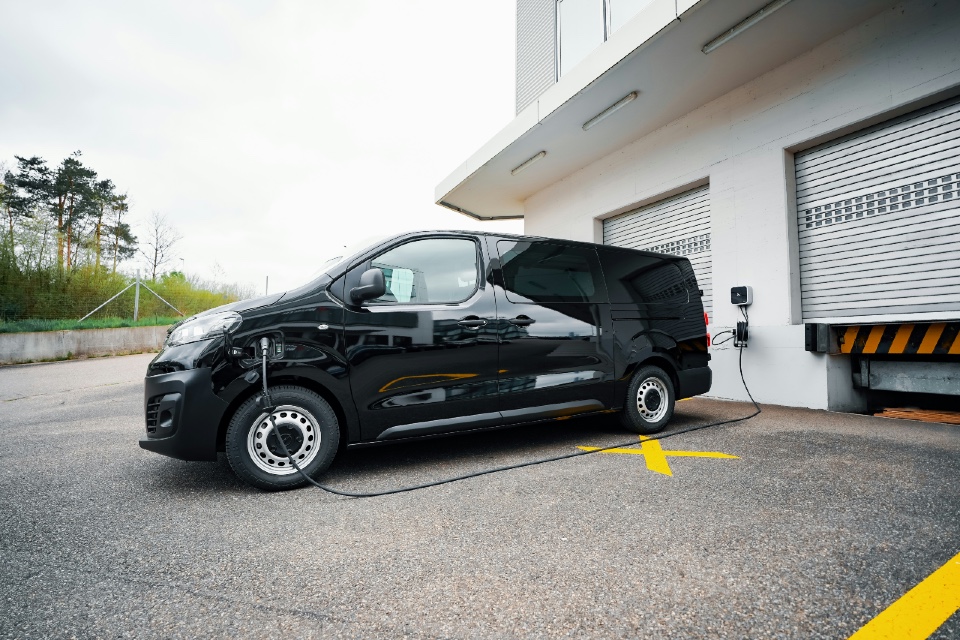
For fleets operating from a central depot or workplace, on-site charging provides direct control over charging schedules and vehicle availability.
Common options include:
- Wallbox Chargers: These are the most common type of on-site charger, providing a convenient and efficient way to charge EVs. They can be installed in designated parking spaces or in dedicated charging bays.
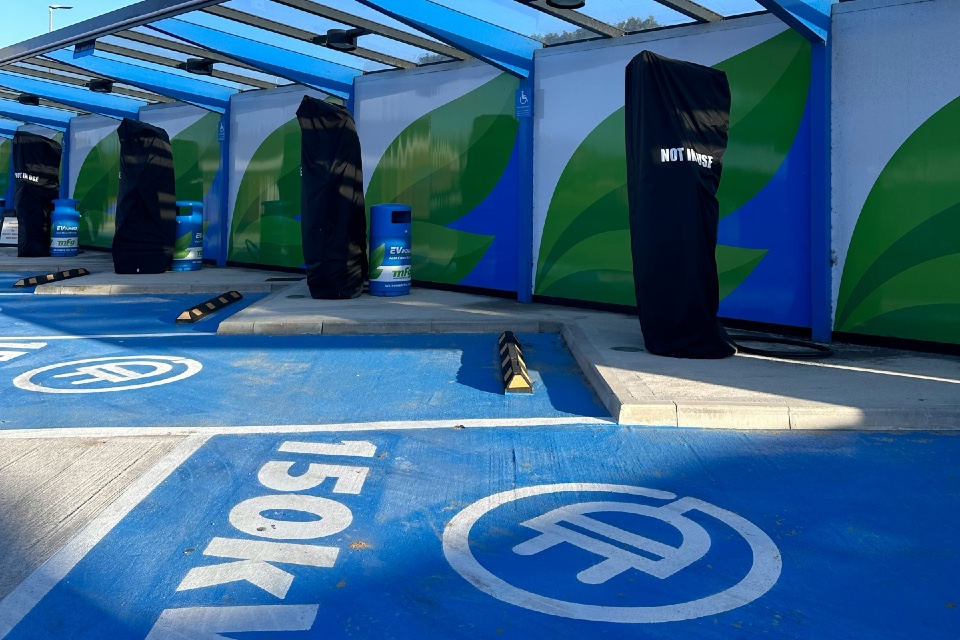
- Rapid Chargers: These can charge EVs much faster than wallbox chargers, making them suitable for public charging stations or fleet depots where vehicles need to be charged quickly.
- Power Sharing Solutions: These systems allow multiple EVs to share a single power source, optimising charging efficiency and reducing infrastructure costs.
Employee Home Charging Solutions
Home charging offers an effective solution for organisations with remote workers, company car drivers or employees who regularly begin and end their journeys from home.
Common approaches include:
- Home Wallbox Chargers: Employees can install wallbox chargers at their homes, providing a convenient way to charge their EVs overnight.
- Smart Grid Integration: Integrating home chargers with the smart grid can help optimise energy use and reduce peak demand.
Choosing the Right Solution for Your Fleet
The most appropriate charging strategy depends on several operational factors, including:
- Fleet Size and Usage: The size of the fleet and the daily driving patterns will determine the number and type of chargers required.
- Charging Infrastructure Costs: The cost of installing and maintaining charging infrastructure should be carefully considered.
- Government Incentives: Take advantage of government grants and incentives available to support EV adoption and charging infrastructure.
- Employee Satisfaction: Offering convenient and accessible charging options can improve employee satisfaction and attract talent.
- Energy Management: Consider energy management solutions to optimise charging schedules and reduce energy costs.
Assessing these factors helps organisations determine whether workplace charging, home charging or a blended approach offers the greatest long-term value.
Managing Infrastructure Costs
Charging infrastructure should be planned alongside wider operational and energy requirements.
Fleet managers should consider:
- Initial installation costs
- Ongoing maintenance requirements
- Future fleet growth
- Available electrical capacity
- Potential energy management technologies
- Financial incentives where available
Taking a long-term view helps ensure charging infrastructure remains scalable as electric fleets continue to grow.
Building the Right Corporate Fleet EV Charging Strategy
The most effective corporate fleet EV charging strategies rarely rely on a single solution. On-site charging provides control and consistency for centrally based fleets, while home charging supports flexibility for remote and mobile employees.
By comparing charging options against fleet size, driver patterns and infrastructure costs, organisations can develop a charging strategy that improves operational efficiency, supports drivers and provides a strong foundation for long-term fleet electrification.
Are you searching for EV charging solutions for your organisation? The Fleet Summit can help!
Photo by John Cameron on Unsplash