







As UK fleets continue to transition to electric vehicles, developing the right EV charging strategy has become a key operational decision. The most effective approach depends on factors such as fleet routes, vehicle dwell time, operating model and daily mileage, rather than relying on a single charging solution. By combining depot, destination and public charging, fleet operators can improve vehicle availability, control energy costs and provide drivers with reliable access to charging wherever their work takes them.
How Depot, Destination and On-the-Go Charging Fit Your EV Charging Strategy
There is no universal charging model for every fleet. The right mix of charging infrastructure depends on how vehicles are used, where they spend most of their time and when they are available for charging.
A blended charging strategy allows organisations to match charging locations to operational needs, reducing downtime while improving efficiency, flexibility and long-term resilience.
Depot Charging: The Backbone of Fleet Electrification
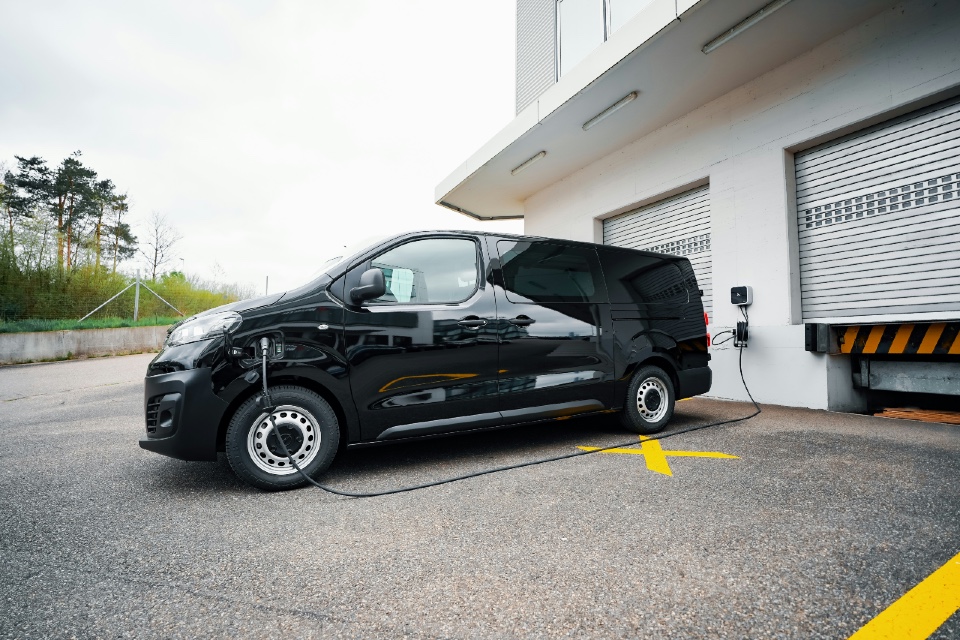
For fleets that return to a central base at the end of each shift, depot charging often provides the most cost-effective and manageable solution.
Depot charging is particularly well suited to fleets with:
- Fixed daily routes
- Predictable overnight parking
- Centralised vehicle management
- Regular maintenance schedules
Smart charging systems allow organisations to stagger charging across multiple vehicles, helping reduce peak electricity demand and make better use of off-peak energy tariffs.
Where electricity supply is limited, organisations may also integrate battery storage or on-site solar generation to support charging capacity while reducing pressure on the local grid.
Destination Charging: Supporting Remote and Flexible Operations
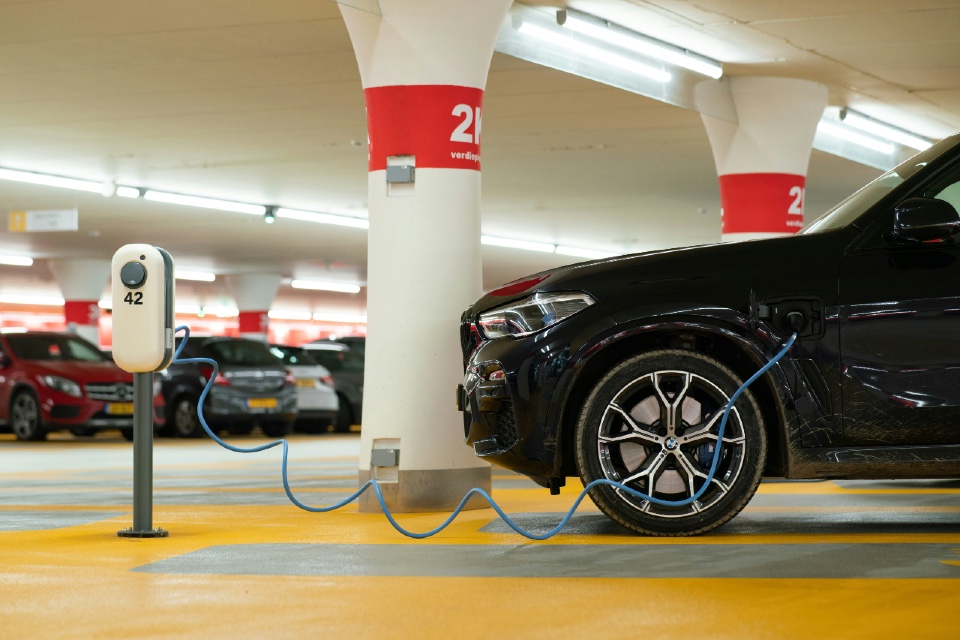
Not all fleets operate on fixed routes. For organisations with regional hubs, dispersed teams, or long dwell times at customer sites, destination charging offers a critical layer of flexibility.
Installing chargers at workplaces, hospitals, retail sites, or logistics hubs allows vehicles to ‘top up’ during natural downtime. This not only reduces range anxiety but also helps spread demand across the day. Public-private partnerships are also enabling access to shared infrastructure, particularly in business parks or industrial estates where multiple tenants require EV charging.
Public and On-the-Go Charging for Operational Flexibility
Some fleets regularly cover longer distances or operate unpredictable routes where depot charging alone is not sufficient.
Public rapid and ultra-rapid charging networks provide additional resilience by allowing drivers to recharge whenever operational demands require it.
Many fleet operators now use charging management platforms that enable drivers to:
- Locate nearby compatible chargers
- View live charger availability
- Compare charging speeds
- Access multiple charging networks through a single account
- Manage charging payments more efficiently
These tools help reduce unnecessary delays while making public charging more practical for business use.
Choosing the Right Charging Mix
Developing an effective EV charging strategy begins with understanding how vehicles are actually used.
Fleet managers should consider:
- Daily mileage
- Typical vehicle routes
- Driver shift patterns
- Average dwell times
- Depot capacity
- Availability of destination charging
- Frequency of long-distance journeys
Using telematics and operational data allows organisations to identify where each charging method delivers the greatest value while avoiding unnecessary infrastructure investment.
Building a Resilient EV Charging Strategy
The most resilient fleets are those combining all three models. By mapping routes, analysing dwell times, and monitoring vehicle telematics, fleet managers can design customised charging blueprints that minimise downtime, optimise costs, and ensure drivers always have access to the power they need.
EV charging is a strategic enabler of fleet efficiency and strength. The right blend of depot, destination, and on-the-go charging will determine not only the success of electrification, but also long-term competitiveness.
Are you searching for EV charging solutions for your organisation? The Fleet Summit can help!
Photo by Michael Fousert on Unsplash