








Fleet and logistics leaders are being urged to accelerate investment in routing and scheduling technology as concerns grow over a renewed shortage of HGV drivers in the UK.
A recent industry warning from Insite highlights the risk of a widening skills gap following the loss of driver training funding, raising fresh pressure on operators already managing tight capacity, rising costs and increasing service expectations.
In response, Descartes is calling on fleet operators to prioritise technology-driven efficiency to reduce strain on existing drivers while maintaining delivery performance.
According to Andrew Tavener, Head of Fleet Marketing EMEA at Descartes, modern routing and scheduling platforms can play a critical role in easing operational pressure. By leveraging real-time data, including traffic patterns and road conditions, these systems enable more efficient route planning and help create realistic delivery schedules.
He says: “Addressing the challenges at hand requires a multifaceted approach, with technology playing an important role. For example, modern routing and scheduling software enables organisations to relieve the pressure on fleets and drivers by introducing more structure to fleet operations, as well as visibility and control in managing daily delivery commitments.
“This technology uses real-time data to allow for more efficient routing that takes into account traffic patterns and road conditions. It then uses an intelligent background optimisation engine to create realistic and achievable delivery plans that enable drivers to maintain speed limits and drivers’ hours compliance.”
For fleet managers, this has direct implications for both compliance and driver wellbeing. Intelligent optimisation tools can support adherence to drivers’ hours regulations and speed limits, while reducing the need for last-minute schedule changes that contribute to stress and inefficiency.
Tavener says the benefits extend beyond route planning. Integrated platforms also improve communication between drivers and dispatch teams, providing greater visibility across daily operations. Proactive notification features allow customers to be automatically updated on delays or changes, helping to manage expectations and reduce inbound enquiries to contact centres.
As driver shortages persist, retaining existing talent is becoming as critical as recruitment. Technology that enables more predictable workloads and reduces administrative burden is increasingly seen as a key lever in improving job satisfaction and reducing attrition.
The challenge for operators is balancing investment with immediate operational demands. However, with external pressures mounting (from labour constraints to customer expectations) digital tools are emerging as a practical way to do more with fewer resources.
For UK fleet leaders, the message is clear: while the driver shortage may be difficult to solve in the short term, improving efficiency through smarter routing and better operational visibility offers a tangible way to mitigate its impact.
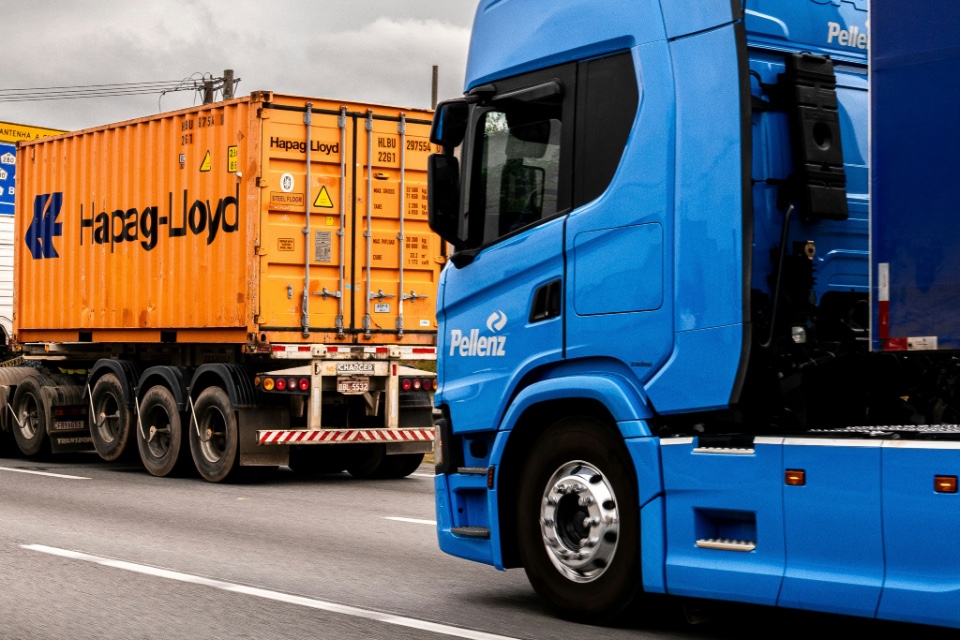
Photo by Juan Pablo on Unsplash