








The combination of 5G fleet tracking and edge computing is changing how organisations monitor vehicles, respond to incidents and manage day-to-day fleet operations. Faster connectivity and local data processing give fleet managers greater real-time visibility into vehicle movements, driver behaviour and vehicle health, helping improve telematics performance while reducing delays in reporting and decision-making. Rather than simply showing where vehicles are, modern telematics systems provide the information needed to respond more quickly and keep fleets operating safely and efficiently.
Why 5G Fleet Tracking Matters for Real-Time Fleet Data
5G networks offer faster, more reliable mobile connectivity, enabling continuous data flow between vehicles, tracking systems and centralised fleet management platforms. Compared with 4G, 5G supports more vehicles, cameras and connected devices communicating simultaneously, making it easier to manage large fleets. For fleet managers, this means instant updates on vehicle location, engine diagnostics, driver behaviour, and environmental conditions—even across large and dispersed operations.
5G also makes live video telematics more practical by supporting the rapid transmission of HD dashcam footage. With 5G, HD dashcam footage can be streamed live to support proactive safety interventions, insurance validation and driver coaching.
Faster connectivity with 5G enables fleet managers to receive near real-time updates on:
- Vehicle location
- Driver behaviour
- Engine diagnostics
- Vehicle health
- Route progress
- Environmental conditions
Faster communication means operational teams can make informed decisions sooner, whether responding to delays, reallocating vehicles or supporting drivers on the road.
Edge Computing Speeds Up Decision-Making
While 5G enhances connectivity, edge computing processes data closer to the source, in this case, in-vehicle telematics units or nearby edge servers. Instead of sending every data packet to the cloud, edge-enabled systems filter and analyse key insights locally, triggering immediate alerts and actions.
This localised intelligence reduces reliance on constant internet connectivity and cloud infrastructure, making fleet systems more resilient and responsive. For example, edge-based systems can instantly warn drivers of hazardous behaviours, apply geofencing protocols, or even disable a vehicle remotely in the event of a security breach.
Improving Safety with Real-Time Alerts
One of the biggest advantages of combining 5G and edge computing is the ability to respond to safety issues as they happen rather than after a journey has finished.
Depending on the telematics platform, systems can provide alerts for:
- Driver fatigue or distraction
- Harsh braking or rapid acceleration
- Speeding
- Route deviations
- Potential collision risks
- Unauthorised vehicle movement
Receiving alerts sooner allows fleet managers and drivers to take action before small issues become more serious incidents.
Better Visibility Across Fleet Operations
Improved connectivity also enhances day-to-day fleet management by providing a more complete picture of vehicle activity.
Fleet operators can use live data to support:
- Dynamic route planning
- Predictive maintenance scheduling
- Vehicle utilisation monitoring
- Compliance reporting
- Driver coaching
- Incident investigations
Having accurate information available sooner improves operational planning while helping reduce unnecessary downtime.
Choosing Telematics That Supports Future Growth
When evaluating telematics platforms, organisations should consider more than basic vehicle tracking.
Key questions include whether the platform offers:
- 5G compatibility
- Edge computing capability
- Integration with maintenance and fleet management systems
- Secure data handling
- Scalable reporting and analytics
- The flexibility to support future operational requirements
Selecting a platform with these capabilities helps ensure telematics technology continues to deliver value as fleets grow and operational needs evolve.
Building a More Responsive Fleet
5G fleet tracking and edge computing work together to deliver faster data, quicker safety alerts and better operational visibility. By reducing delays between vehicles, drivers and fleet management systems, these technologies help organisations improve response times, strengthen driver safety and make more informed operational decisions.
As telematics continues to evolve, combining faster connectivity with intelligent data processing gives fleet operators the tools they need to manage vehicles more efficiently while building safer, more resilient fleet operations.
Are you searching for fleet telematics & tracking solutions for your organisation? The Fleet Summit can help!
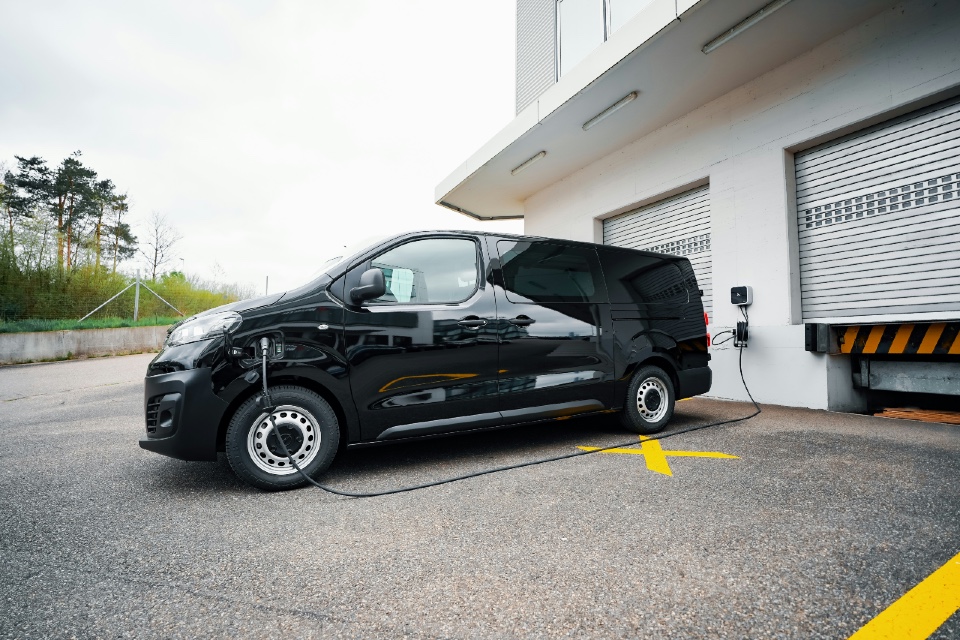
Photo by Red Zeppelin on Unsplash