







For leaders attending the Fleet Summit, the shift to EVs and plug-in hybrids has made one thing abundantly clear: vehicles are only half the transition. The most successful programmes treat charging as a strategic capability, because the wrong infrastructure decisions can quietly undermine utilisation, cost savings and service reliability…
The core question is no longer “where can we charge?”, but “what charging model best fits how this fleet operates?”
Depot charging: control and consistency
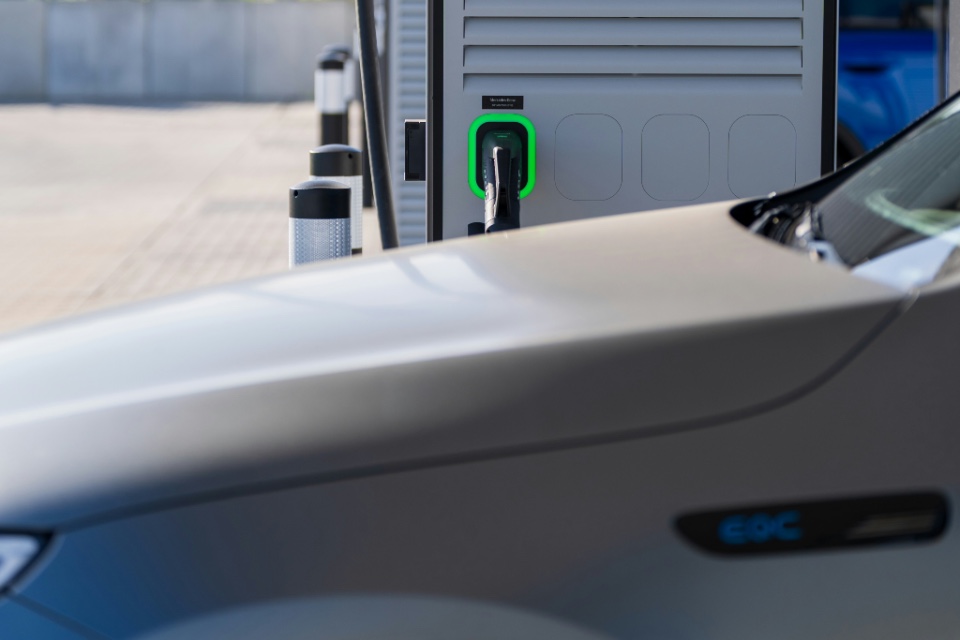
Depot charging remains the backbone for many fleets because it offers operational control: predictable access, managed maintenance, and the ability to align charging with vehicle availability. For organisations with return-to-base patterns, such as many local authority fleets (waste, highways, pool cars) and some commercial service fleets, depots can deliver dependable overnight charging and simplified governance.
The constraint is often grid capacity. Many depots were never designed for high electrical load. Best practice is early engagement with distribution network operators, phased rollout plans, and avoiding “all-at-once” electrification that outpaces power availability. Where upgrades are slow or costly, fleets increasingly deploy interim solutions: staged charger installation, mixed-speed charging, and operational scheduling to reduce peak demand.
Home charging: convenience with governance challenges
Home charging is increasingly important for fleets with distributed workforces: think housing officers, community services, sales, and field engineers. It can be the most convenient option for drivers and can reduce pressure on depot infrastructure.
However, it introduces governance complexity: reimbursement, safety checks, equipment ownership, and monitoring usage. Best practice includes clear home charging policies, standardised installations through approved providers, and simple, auditable reimbursement models. For public sector organisations, this is particularly important to demonstrate value for money and consistent treatment across staff groups.
Public charging: flexibility for high mileage and variable routes
Public charging has improved significantly, but for fleets it is still best treated as a strategic supplement, not the default. It is most useful for top-ups on long routes, contingency planning, and fleets that cannot rely on predictable depot returns.
The operational risk is variability: availability, downtime and pricing fluctuation. Leading fleets mitigate this through driver training, route planning, preferred network partnerships, and clear escalation procedures when chargers are unavailable.
For utilities and emergency-response-adjacent fleets, public charging can be valuable for resilience, but only when paired with robust contingency planning and access to rapid charging options where feasible.
Load management: where savings are won or lost
Across all charging models, load management is the key lever. Smart charging, scheduling and energy monitoring allow fleets to avoid demand peaks, reduce costs and keep vehicles ready for duty. The best-performing organisations treat charging like a controlled operational process, not an ad-hoc activity.
Different fleets, different answers
Local authorities often prioritise reliability, governance and depot-based control. Utilities balance resilience and rapid deployment across dispersed teams. Commercial fleets focus heavily on uptime, cost per mile and operational scalability. The charging model should reflect those realities.
Charging infrastructure is not an add-on to fleet strategy: it is fleet strategy. The fleets that get it right will be those that design charging around duty cycles, power constraints and real-world operating conditions from day one.
Are you searching for EV & Hybrid Vehicle solutions for your organisation? The Fleet Summit can help!